 0009-0000-0750-4170
  jorgefelixquintanacala@gmail.com
Sandro Felipe Acosta Mesa1
0000-0002-4170-7892 sandrofelipeacostamesa@gmail.comYudemir Cruz Pérez1
0000-0001-9876-732X cruzperezyudemir@gmail.com

Cooperativismo y Desarrollo, January-April 2026; 14(1), e912
Translated from the original in Spanish
Original article
Community tourism tour to Las Terrazas Tourist Complex
Excursión de turismo comunitario para el Complejo Turístico Las Terrazas
Excursão de turismo comunitário para o Complexo Turístico Las Terrazas
Jorge Félix Quintana Cala1 0009-0000-0750-4170 jorgefelixquintanacala@gmail.com
Sandro Felipe Acosta Mesa1 0000-0002-4170-7892 sandrofelipeacostamesa@gmail.com
Yudemir Cruz Pérez1 0000-0001-9876-732X cruzperezyudemir@gmail.com
1 University of Havana. Faculty of Tourism. Cuba.
Received: 21/06/2025
Accepted: 4/03/2026
ABSTRACT
In Cuba, policies have been implemented to promote the sustainable development of tourism, aligned with global market shifts and the demand for more responsible experiences. In this context, alternative models such as community-based tourism are emerging, prioritizing the active participation of local communities, environmental conservation, and the equitable distribution of benefits. A concrete example of this potential is Las Terrazas Tourist Complex, located in the province of Artemisa, which has established itself as a national benchmark for its comprehensive approach, its environmental commitment, and its ties to community stakeholders. However, recent research indicates limited diversification in its range of services, identified as a source of dissatisfaction among visitors. In light of this issue, the research aimed to propose a community-based tourism excursion to diversify the offerings of Las Terrazas Tourist Complex. The methodology adopted a mixed-methods approach, involving a questionnaire administered to 150 tourists (both domestic and international), supplemented by documentary analysis, a literature review, scientific observation, fieldwork, and the use of analytical tools such as PESTEL and Porter's Five Forces. The results demonstrate the complex's high potential for developing community-based tourism. The proposal responds to contemporary market trends and prioritizes authenticity, sustainability, and the generation of positive impacts. Its adaptable structure and community-centered approach ensure its long-term viability, aligning with the possibilities and resources available in the local environment.
Keywords: sustainable development; diversification; positive impacts; Las Terrazas; community-based tourism.
RESUMEN
En Cuba se han implementado políticas para promover el desarrollo sostenible del turismo, alineadas con las transformaciones del mercado global y la demanda de experiencias más responsables. En este escenario, surgen modelos alternativos como el turismo comunitario, que prioriza la participación activa de las comunidades locales, la conservación del medio ambiente y la distribución equitativa de los beneficios. Un ejemplo concreto de este potencial es el Complejo Turístico Las Terrazas, ubicado en la provincia de Artemisa, que se consolida como un referente nacional por su enfoque integral, su compromiso ambiental y su vínculo con los actores de la comunidad. No obstante, investigaciones recientes evidencian una limitada diversificación en su oferta de servicios, identificada como una fuente de insatisfacción entre los visitantes. Ante esta problemática, la investigación tuvo como objetivo proponer una excursión de turismo comunitario para la diversificación de la oferta del Complejo Turístico Las Terrazas. La metodología adoptó un enfoque mixto, se aplicó un cuestionario a 150 turistas (nacionales e internacionales), complementado con análisis documental, revisión bibliográfica, observación científica, trabajo de campo y el uso de herramientas analíticas como el PESTEL y las Cinco Fuerzas de Porter. Los resultados evidencian el alto potencial del complejo para desarrollar el turismo comunitario. La propuesta responde a las tendencias contemporáneas del mercado y prioriza la autenticidad, la sostenibilidad y la generación de impactos positivos. Su estructura adaptable y su enfoque, centrado en la comunidad, garantizan su continuidad a largo plazo, ajustándose a las posibilidades y medios disponibles en el entorno local.
Palabras clave: desarrollo sostenible; diversificación; impactos positivos; Las Terrazas; turismo comunitario.
RESUMO
Em Cuba, foram implementadas políticas para promover o desenvolvimento sustentável do turismo, alinhadas com as transformações do mercado global e a demanda por experiências mais responsáveis. Nesse cenário, surgem modelos alternativos como o turismo comunitário, que prioriza a participação ativa das comunidades locais, a conservação do meio ambiente e a distribuição equitativa dos benefícios. Um exemplo concreto desse potencial é o Complexo Turístico Las Terrazas, localizado na província de Artemisa, que se consolida como uma referência nacional por sua abordagem integral, seu compromisso ambiental e sua ligação com os atores da comunidade. No entanto, pesquisas recentes evidenciam uma diversificação limitada em sua oferta de serviços, identificada como uma fonte de insatisfação entre os visitantes. Diante dessa problemática, a pesquisa teve como objetivo propor uma excursão de turismo comunitário para a diversificação da oferta do Complexo Turístico Las Terrazas. A metodologia adotou uma abordagem mista, aplicando-se um questionário a 150 turistas (nacionais e internacionais), complementado com análise documental, revisão bibliográfica, observação científica, trabalho de campo e o uso de ferramentas analíticas como o PESTEL e as Cinco Forças de Porter. Os resultados evidenciam o alto potencial do complexo para desenvolver o turismo comunitário. A proposta responde às tendências contemporâneas do mercado e prioriza a autenticidade, a sustentabilidade e a geração de impactos positivos. Sua estrutura adaptável e seu enfoque, centrado na comunidade, garantem sua continuidade a longo prazo, ajustando-se às possibilidades e meios disponíveis no ambiente local.
Palavras-chave: desenvolvimento sustentável; diversificação; impactos positivos; Las Terrazas; turismo comunitário.
INTRODUCTION
Tourism has experienced sustained growth and has diversified significantly in recent decades, establishing itself as one of the world's most dynamic economic activities (Benavides Vindas, 2020). In this context, local development stands as a key strategy for revitalizing regional economies, especially in areas seeking to leverage their natural, cultural, and social resources in a sustainable manner.
According to Montoya Vargas et al. (2024), tourism managed with a territorial and participatory approach stimulates job creation and new business opportunities, while strengthening cultural identity, improving infrastructure, and enhancing the value of local heritage. Even so, the COVID-19 pandemic in 2020 revealed the fragility of this sector, forcing the closure of borders, the cancellation of activities, and the shutdown of airports and ports in Cuba (Salinas Chávez, 2020).
This crisis highlighted the urgent need to develop more resilient and sustainable tourism models capable of adapting to vulnerable scenarios. In response, community-based tourism emerges as a strategic alternative that improves residents' quality of life, fosters local participation, and keeps economic benefits within the community. Unlike mass tourism, this model promotes fairer development, grounded in the democratic and solidarity-based self-management of resources (Pérez García et al., 2025).
This approach has gained global momentum due to the growing demand for novel and authentic destinations. Authors such as Domínguez and Butrón (2019) define it as a typology that integrates activities of rural daily life: livestock farming, agriculture, and cultural experiencespractices that communities have sustained for decades. Along the same lines, Yépez Franco et al. (2021) emphasize that its purpose is the distinctive use of the territory, while promoting local culture and traditions.
A concrete example of this potential can be found in Cuba: Las Terrazas Tourist Complex, located in the municipality of Candelaria, Artemisa province. The site is highly suited for community-based tourism due to its natural and cultural resources and its close interaction with the local population. However, despite the development of some initiatives and high demand, its full potential to generate income and diversify the offerings has not yet been realized.
A sentiment analysis of visitor reviews confirms this gap, identifying the perception of a lack of diversity and quality in the offerings as the main cause of dissatisfaction (Quintana Cala et al., 2024). This finding reinforces the need to expand and diversify the resort's offerings to align them with current market expectations.
Therefore, based on the identified need and existing potential, the overall objective of this research is to propose a community-based tourism excursion to diversify the offerings of Las Terrazas Tourist Complex.
MATERIALS AND METHODS
The research was conducted using a mixed-methods approach (qualitative and quantitative). The design was based on a review of specific methodologies for the creation of tourism products, such as those proposed by Gómez Ceballos (2014) for Ecuador and by Ruiz Quesada et al. (2022) for Cuba. These frameworks were adapted to the particularities of the territory and to the objective of designing a community-based product. The resulting procedure is detailed in Table 1.
Table 1. Methodological procedure of the research
Phases |
Stages |
Methods, techniques, and tools |
Preliminary phase: Idea generation |
Stage 1. Identification and collection of information sources (primary and secondary) |
|
Stage 2. Analysis of viable alternatives |
||
Stage 3. Selection and definition of the proposal’s central idea |
||
Phase 1: Environmental study |
Stage 1. Characterization of the territory |
|
Stage 2. Inventory of resources and tourist attractions |
||
Stage 3. Macroenvironment analysis |
||
Stage 4. Analysis of the microenvironment |
||
Phase 2: Conceptualization |
Stage 1. Segmentation and characterization of demand |
|
Stage 2. Definition of the Marketing Mix variables |
||
Phase 3. Feasibility studies |
Stage 1. Social feasibility analysis |
|
Source: Own elaboration
The process began with the collection and analysis of bibliographic, documentary, and field sources, supplemented by participatory techniques such as brainstorming and focus groups, to establish the foundations of the research. Next, a comprehensive characterization of the territory was conducted through direct observation and fieldwork, which included the development of a tourism-assessed resource inventory, following the same approach as Acosta Mesa et al. (2024), based on criteria of aesthetic value, technical-economic viability, conservation, sanitary conditions, and functionality, using a three-point Likert scale (1 = Low, 2 = Medium, 3 = High).
The environmental analysis combined the PESTEL framework for the macroenvironment and Porter's Five Forces model for the microenvironment. Subsequently, a questionnaire was designed and administered using purposive non-probability sampling. The sample size (150 tourists) was determined with a 95% confidence level (α = 0.05), an 8% margin of error, and conservative proportions (p = 0.5, q = 0.5). The collected data were processed using the Statistical Package for the Social Sciences (SPSS) software, including a hierarchical cluster analysis for the segmentation and characterization of demand. The calculation was performed according to the formula:
Using these inputs, the excursion was conceptualized based on the marketing mix variables (product, distribution, and promotion), leaving the price variable to be determined in collaboration with the marketing travel agency. Subsequently, the feasibility of the proposal was evaluated through fieldwork and direct observation, ensuring its relevance and sustainability for the local community.
RESULTS AND DISCUSSION
Phase 1. Environmental Study
Stage 1. Characterization of the Territory
The community of Las Terrazas is located at the eastern edge of the Sierra del Rosario Biosphere Reserve in Artemisa Province. Its territory is bordered to the north by the slopes of the Peña Blanca, Pirineos (Madre del Cusco), and Mulo hills, and features an irregular terrain with hills and mountains in the surrounding areas (Figure 1).

Figure 1. Geographic location of Las Terrazas
Source: Own elaboration
The territory is part of the approximately 25,000 hectares that UNESCO designated as the Sierra del Rosario Biosphere Reserve, an area of complex geography that includes evergreen, semi-deciduous, and pine forests. The area boasts one of the country's richest faunal diversity, with endemism reaching 50% among birds and 30% among other vertebrate groups, such as mammals, reptiles, and amphibians.
This biological richness enhances the area's natural value and makes it a major attraction for nature tourism. Furthermore, soil erosion, which was once widespread, has been controlled thanks to the presence of tree species on slopes and in watersheds, which facilitate the natural channeling of rainwater.
The local community, with approximately 1,014 inhabitants, lives according to principles of sustainability and has access to basic education, health, and employment services. Tourism is the main source of employment, accounting for 62% of jobs, followed by community services and forestry activities. Organic agriculture and handicrafts complement the economic base, while music, art, and traditional cuisine strengthen local identity and form part of the tourism offering.
Furthermore, its tourism infrastructure follows ecological criteria and includes sustainable accommodations, local restaurants, and trails that facilitate direct contact with the environment, within a participatory management model.
Stage 2. Inventory of resources and tourist attractions
Based on the inventory, twenty resources were identified, of which seven were selected for the design of the community-centered excursion. The selection includes Callejón de la Moka, El Ilang, an essential oil distillery, Rancho Curujey, the ruins of the San Pedro and Buenavista coffee plantations, the natural landscape of Las Terrazas, and the Polo Montañez's house. These resources received favorable scores in their comprehensive tourism assessment (Figure 2).
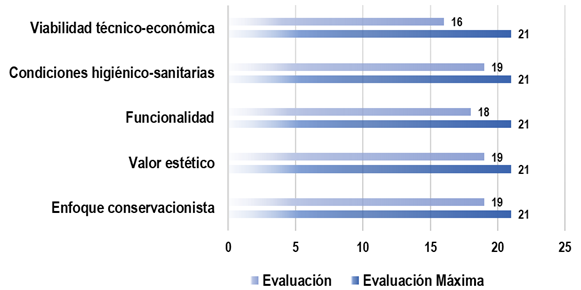
Figure 2. Tourism evaluation of the resources
Source: Own elaboration
The evaluation yielded high ratings across all criteria, with scores of 19 for aesthetic value and sanitary conditions, 18 for functionality, 16 for technical-economic feasibility, and 19 for conservation (out of a maximum of 21 per criterion). These results confirm the high potential of these resources for tourism development, particularly due to their scenic quality, good state of preservation, and adequate sanitary conditions.
Stage 3. Analysis of the Macroenvironment
The PESTEL analysis of the macroenvironment revealed the political, economic, social, technological, and environmental factors that influence the resort's tourism development (Table 2). This assessment facilitated the identification of the main external opportunities and threats, as well as key trends, providing a comprehensive view for evaluating the long-term viability and sustainability of the proposal.
Table 2. Summary of the PESTEL analysis
Factor |
Identified elements |
Political-Legal |
|
Economic |
|
Social |
|
Technological |
|
Environmental |
|
Source: Own elaboration
Stage 4. Microenvironment Analysis
The analysis of the microenvironment, using Porter's Five Forces model, allowed for an evaluation of the complex's position within the niche of sustainable and community-based destinations, thereby identifying the key factors influencing the viability of the tourism proposal, as shown in Table 3.
Table 3. Summary of Porter's Five Forces analysis
Force |
Key factors |
Assessment |
1. Rivalry among existing competitors |
Competition with similar destinations (Viñales, Topes de Collantes, Ciénaga de Zapata). Differentiation through the authentic community management model mitigates direct rivalry. |
Medium |
2. Threat of new entrants |
High legal and institutional barriers and a considerable number of requirements for investment in rural infrastructure. |
Low |
3. Threat of substitute products |
Existence of multiple domestic destinations with similar ecotourism and cultural offerings. Qualitative and ethical differentiation is the decisive factor for the consumer. |
High |
4. Suppliers’ bargaining power |
High dependence on local suppliers, which strengthens the circular economy but concentrates risks. Need to diversify and strengthen the local production base. |
Medium |
5. Bargaining power of customers |
Today's tourists prioritize authenticity and sustainability over price, which reduces price elasticity. In addition, they demand high standards of ethical and experiential quality in return. |
Low |
Source: Own elaboration
Phase 2: Conceptualization
Stage 1. Segmentation and Characterization of Demand
The results of the survey administered to 150 visitors allowed to segment demand based on their preferences and desired benefits. Hierarchical cluster analysis identified three distinct clusters (Table 4).
Table 4. Characterization of demand segments
Cluster |
Profile |
Motivations and preferences |
1. Young travelers (47.3%) |
Young Cubans (ages 18-25), mainly students. |
They seek authentic experiences, nature, and community interaction at affordable prices. They prefer craft workshops, local cuisine, and horseback riding. They get their information mainly through social media. |
2. Traditional travelers (24%) |
Cuban women over 45 who travel with their families. |
Their main motivation is the landscape and biodiversity, showing little interest in cultural or community activities. They rely on direct communication (word of mouth). |
3. Curious About Cuba (28.7%) |
Canadians (ages 35-45), mostly women, employed. |
Motivated by nature, gastronomy, culture, and community interaction, with an interest in local products. They prefer horseback riding, workshops, and visits to community projects. They use specialized websites. |
Source: Own elaboration
The "Young Travelers" (Cluster 1) and "Curious About Cuba" (Cluster 3) clusters were selected as target demand segments for the tour. Their combined weight in the sample and their clear willingness to consume ecotourism and community tourism experiences make them the ideal target market, ensuring significant reach and alignment with the resort's identity. In contrast, Cluster 2 was not considered a target audience. Its demographic profile, lower travel frequency, and limited affinity for nature-based activities and community interaction (the central pillars of the proposal) make it a segment of little strategic value for the objectives of this excursion.
Stage 2. Definition of Marketing Mix Variables
Product
The excursion was designed to integrate visitors with the local culture, history, and community, within a sustainable tourism model that prioritizes the conservation of the protected area. This experience contributes to the socioeconomic development of Las Terrazas and is structured according to the three levels of the tourism product: basic, tangible, and augmented. The basic product consists of the core experience: immersion in a rural and community setting that facilitates the learning and practice of agroecological methods, knowledge of local histories, horseback riding, and direct interaction with residents.
The tangible product comprises the physical elements and concrete services, which include reception in designated spaces, participatory workshops, visits to historic sites, round-trip transportation, and the guidance of certified community guides. On the other hand, the augmented product incorporates the distinctive value of authenticity, ethical interactions, and the guarantee of a direct positive impact on the community.
It was named "Experience Las Terrazas from the Inside," a name that encapsulates the proposal's central objective: to offer a deeply immersive experience that goes beyond passive observation, facilitating an authentic connection with daily life, heritage, and the local community. Table 5 below details the technical description and operational structure of the excursion.
Table 5. Technical description of the excursion
“Experience Las Terrazas from the Inside” Tour |
|||
Schedule |
9:20 AM–3:40 PM |
Duration |
9 hours (including transfers) |
Time |
Location/Activity |
Description |
|
8:00 am |
Departure from Havana |
Pick up of guests at Parque Central, Centro Habana. |
|
8:00 am - 9:20 am |
Transfer to Las Terrazas |
Travel by air-conditioned bus (79 km, approximately 1 hour and 20 minutes) from Havana to Callejón La Moka. |
|
9:20 am - 9:40 am |
Callejón La Moka (Reception) |
Reception by community members with a welcome cocktail. Brief explanation of the purpose and community impact of the excursion. Start. |
|
9:40 am - 9:50 am |
Walk to El Ilang Essential Oil Perfumery (10 minutes). |
||
9:50 am - 10:30 am |
El Ilang Perfumery |
Workshop on the extraction of natural aromas and the creation of perfumes using essential oils. Here, participants have the opportunity to purchase products they have handmade themselves under the guidance of the shop owner. |
|
10:30 am - 10:50 am |
Walk to Rancho Curujey (20 minutes). |
||
10:50 am - 12:00 pm |
Rancho Curujey |
Workshop: Traditional cooking and agroecology on terraces. The workshop integrates sustainable cooking techniques (using wood-fired stoves and handmade utensils) with the use of local ingredients grown on agricultural terraces (herbs, vegetables, and fruits). Participants will explore how the natural environment and terrace design promote soil conservation, agricultural biodiversity, and culinary identity. |
|
12:00 pm - 12:40 pm |
Lunch at Rancho Curujey |
Tasting of traditional Creole cuisine in a wooden ranch house overlooking the natural surroundings. |
|
12:40 pm - 12:55 pm |
Horseback ride to the Buenavista Coffee Plantation Ruins (15 minutes). |
||
12:55 pm - 1:30 pm |
Ruins of the Buenavista Coffee Plantation |
Talk on the history of the coffee plantation and its importance to the community. A short workshop will be held on the different stages of coffee cultivation (planting, harvesting, drying) and traditional methods of preparing the beverage. |
|
1:30 pm - 1:45 pm |
Horseback ride to the San Pedro Coffee Plantation Ruins (15 minutes). |
||
1:45 pm - 2:20 pm |
Ruins of the San Pedro Coffee Plantation |
The guide will explain the history of this coffee plantation and how it became a historical remnant of the old French coffee production system that flourished in the Sierra del Rosario during the 19th century. |
|
2:20 pm - 2:40 pm |
Walk to Polo Montañez’s house (20 min) |
||
2:40 pm - 3:10 pm |
Polo Montañez House Museum |
The guide will discuss the life and work of Polo Montañez and his journey to becoming such an important figure for Las Terrazas Tourist Complex. Special mention is made of “El Jolgorio,” a festive event held in honor of Polo at Las Terrazas Tourist Complex, which takes place in June. |
|
3:10 pm - 3:20 pm |
Walk back to Callejón La Moka (10 minutes). |
||
3:20 pm - 3:40 pm |
End of the tour at Callejón La Moka |
Farewell cocktail and presentation of a personalized digital album with photos of the experience. |
|
3:40 pm |
End of the tour |
Return by air-conditioned bus to the original pickup point in Havana. |
|
Source: Compiled by the author
Distribution
Distribution will combine direct and indirect channels, tailored to the preferences of each segment (Figure 3). Marketing is planned through Ecotur S.A. Travel Agency, which specializes in sustainable tourism, ensuring alignment with the product's principles. A selective strategy will be implemented, prioritizing channels managed by this agency to ensure quality control, sustainability, and responsible management of tourism's impact.
The direct channel will be through the official Ecotur S.A. website (a key channel given the importance of the digital environment in travel planning) and at its physical points of sale for customers who prefer in-person service. For indirect distribution, the company will collaborate with a network of specialized tour operators, whether affiliated with the agency or others, to expand the product's visibility and access in international markets.
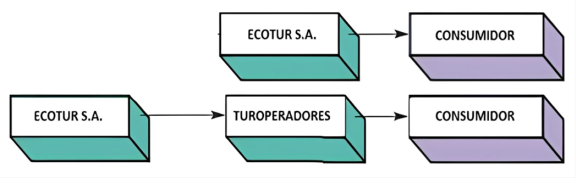
Figure 3. Distribution channels for the tour
Source: Own elaboration
Promotion
Promotion will be conducted through the agency's official website and its social media channels (Facebook, Instagram, X, and YouTube), supplemented by a promotional video highlighting the tour's core experiences. The strategy will prioritize the markets of Europe, Canada, and the United States through partnerships with portals specializing in sustainable tourism. Additionally, the agency will participate in national and international tourism fairs, particularly those dedicated to ecotourism and rural tourism.
To reduce seasonal demand, a 5% discount will be offered on key dates related to sustainability, such as World Environment Day (June 5) and World Food Day (October 16). Additionally, a personalized email marketing strategy will be implemented targeting loyal customers, with emails that include detailed information, itineraries, testimonials, and discount coupons to encourage early booking.
Phase 4. Feasibility Study
Stage 1. Social Feasibility Analysis
The tour is socially viable. Its design prioritizes the empowerment of local capacities, the active participation of residents, and the preservation of cultural and environmental values. This approach responds to the contemporary tourist's demand for authentic and responsible experiences, while promoting an equitable redistribution of benefits and strengthening the social fabric of the host community.
The findings of this research confirm the academic consensus on community-based tourism as a driver of local development based on the sustainable use of resources and the generation of economic, social, and environmental benefits (Cuétara Sánchez et al., 2022). The proposed excursion aligns with Ayala Yanajara et al. (2021), who emphasize that local participation in the creation and management of the product is key to its ownership, sustainability, and deep-rooted identity.
Likewise, it responds to the growing demand for authentic and responsible experiences by integrating the natural and cultural resources of Las Terrazas into an offering aimed at a conscious segment, while simultaneously promoting endogenous development (Martínez de la Vega & Pelegrín Entenza, 2021). This approach is part of a global trend toward tourism products that integrate sustainability, community responsibility, and the deseasonalization of tourist flows, with an equitable distribution of benefits (Delgado Méndez et al., 2021; Sánchez Castillo et al., 2024).
The research builds upon previous studies in the Cuban context focused on methodological design (Ruiz Quesada et al., 2022) or on proposals for practical application in specific destinations (Acosta Mesa et al., 2024; Torres Domínguez & Echarri Chávez, 2023). However, it goes beyond descriptive and theoretical approaches, as it presents a operational proposal, validated through a comprehensive analysis of the market, resources, and feasibility, which translates conceptual frameworks into a marketable product aligned with national territorial development policies.
Given the above, it can be concluded that:
REFERENCES
Acosta Mesa, S. F., Chacón León, C., Díaz Aguiar, E. A., & Hernández Flores, Y. (2024). Definición de una propuesta de uso funcional turístico para el municipio Sancti Spíritus, Cuba. Ciencia & Turismo, 3(2), 22-45. https://doi.org/10.33262/ct.v3i2.41
Asamblea Nacional del Poder Popular. (2022). Ley 150. Del Sistema de los Recursos Naturales y el Medio Ambiente. Gaceta Oficial de la República de Cuba, Edición Ordinaria No. 87. https://www.gacetaoficial.gob.cu/es/ley-150-de-2022-de-asamblea-nacional-del-poder-popular
Ayala Yanajara, C., Moncayo Rodríguez, L., & Sosa Covarrubias, J. (2021). Diseño de producto turístico en comunidad rural: Caso microrregión Masiaca. Revista de Investigación Académica Sin Frontera: División de Ciencias Económicas y Sociales, (36). https://doi.org/10.46589/rdiasf.vi36.396
Benavides Vindas, S. (2020). El aporte del turismo a la economía costarricense: Más de una década después. Economía y Sociedad, 25(57), 1-29. https://doi.org/10.15359/eys.25-57.1
Consejo de Estado. (2015). Decreto-Ley No. 331. Regula lo relativo a las Zonas con Regulaciones Especiales. Gaceta Oficial de la República de Cuba, Edición Extraordinaria No. 36. https://www.gacetaoficial.gob.cu/es/decreto-ley-331-de-2015-de-consejo-de-estado
Cuétara Sánchez, L. M., Sablón Cossío, N., Márquez Ortiz, L. E., & Cartay, R. (2022). Producto turístico de naturaleza para el desarrollo de comunidades rurales en Manabí, Ecuador. Revista de Ciencias Sociales, 28(2), 287-299. https://doi.org/10.31876/rcs.v28i2.37939
Delgado Méndez, M. A., Boffill Vega, S., Selki González, J. Y., & Picayo Delgado, M. A. (2021). Diseño de una ruta turística por el legado africano de Yaguajay como vía para el desarrollo local. Revista Científica Del Amazonas, 4(7), 61-85. https://doi.org/10.34069/RA/2021.7.06
Domínguez, M. del R., & Butrón, L. del C. (2019). El turismo comunitario como factor de desarrollo local sostenible en espacios rurales. Centros: Revista Científica Universitaria, 8(1), 167-173. https://revistas.up.ac.pa/index.php/centros/article/view/487
Gómez Ceballos, G. (2014). Procedimiento metodológico de diseño de productos turísticos para facilitar nuevos emprendimientos. Retos, 4(8), 157-172. https://doi.org/10.17163/ret.n8.2014.08
Martínez de la Vega, V., & Pelegrín Entenza, N. (2021). Diversificación de la oferta turística de naturaleza: Canopy en el Paisaje Natural Protegido Hanabanilla-Cuba. Revista de Ciencias Sociales, 27(3), 185-200. https://produccioncientificaluz.org/index.php/rcs/article/view/36764
Montoya Vargas, R., Medina Sotelo, C. G., Perfecto Sosa, A. D., Quijano Rivera, F., & Pandia Yañez, E. J. (2024). Turismo Sostenible y Desarrollo Local: Análisis de Políticas Públicas Efectivas. Prohominum, 6(3), 182-194. https://doi.org/10.47606/ACVEN/PH0272
Pérez García, A., Barboza Acuña, N. D. L. Á., & Caamaño Franco, I. (2025). Turismo comunitario en Latinoamérica: Implicaciones y debate para su implementación en el desarrollo local. Journal of Tourism and Heritage Research, 8(1), 22-44. https://www.jthr.es/index.php/journal/article/view/600
Quintana Cala, J. F., Acosta Mesa, S. F., Guerra Castellón, E. E., & Vázquez Alfonso, Y. (2024). Análisis de sentimientos de las opiniones textuales asociadas al complejo turístico Las Terrazas. Cooperativismo y Desarrollo, 12(3), e780. https://coodes.upr.edu.cu/index.php/coodes/article/view/780
Ruiz Quesada, S. C., Castellanos Pallerols, G. M., Díaz Conde, I. E., & Gamez Iglesias, A. (2022). Propuesta metodológica para el diseño de productos turísticos en el destino Cuba. Cooperativismo y Desarrollo, 10(3), 631-652. https://coodes.upr.edu.cu/index.php/coodes/article/view/475
Salinas Chávez, E. (2020). Algunas reflexiones sobre la covid-19 y turismo en Cuba.: Un futuro incierto de recuperación. Cenário: Revista Interdisciplinar em Turismo e Território, 8(14), 17-25. https://doi.org/10.26512/revistacenario.v8i14.32211
Sánchez Castillo, V., Clavijo Gallego, T. A., & Eslava Zapata, R. (2024). Nuevas tendencias del turismo sostenible en la construcción de la nueva normalidad. Revista San Gregorio, 1(58), 17-30. https://doi.org/10.36097/rsan.v1i58.2922
Torres Domínguez, Y., & Echarri Chávez, M. (2023). Propuesta de uso funcional turístico sostenible para el Parque Nacional Desembarco del Granma. Ciencia & Turismo, 1(1), 6-24. https://doi.org/10.33262/ct.v1i1.1
Yépez Franco, J. E., Cuétara Sánchez, L. M., & Chávez Franco, J. A. (2021). Turismo comunitario como estrategia para el desarrollo local sostenible en Manabí, Ecuador. Polo del Conocimiento, 6(12), 912-935. https://polodelconocimiento.com/ojs/index.php/es/article/view/3415
Conflict of interest
Authors declare that they have no conflicts of interest.
Authors' contribution
Jorge Félix Quintana Cala and Sandro Felipe Acosta Mesa designed the study, analyzed the data, and prepared the draft.
Yudemir Cruz Pérez was involved in data collection, analysis, and interpretation.
All the authors reviewed the writing of the manuscript and approve the version finally submitted.
