
Cooperativismo y Desarrollo, May-August 2026; 14(2), e988
Translated from the original in Spanish
Original article
Formal governance for the coordination of Amazonian tourism microclusters
Gobernanza formal para la articulación de microclústeres turísticos amazónicos
Governança formal para a articulação de microclusters turísticos na Amazônia
Yolanda Lorena Paredes Andrade1  0000-0001-9764-2779
  yparedes@uea.edu.ec
Yudemir Cruz Pérez2 0000-0001-9876-732X yudemir.cruz@ftur.uh.cu
Carlos Aníbal Manosalvas Vaca1 0000-0002-7521-069X cmanosalvas@uea.edu.ec
Andrea Patricia Sanaguano Moreno3 0009-0005-7751-2914 asanaguano@institutos.gob.ec
1 Amazonian State University. Ecuador.
2 University of Havana. Cuba.
3 Riobamba Higher Technological Institute. Ecuador.
Received: 4/05/2026
Accepted: 4/06/2026
ABSTRACT
Tourism production networks require conditions of territorial coordination and formal
governance that enable the transformation of scattered interactions into sustained processes of
coordination among stakeholders. The purpose of the research was to analyze the coordination among
actors in the tourism system of the cantonal microclusters of Mera, Pastaza, Santa Clara, and
Arajuno, as well as the barriers and challenges of formal governance that affect the strengthening
of tourism production chains in Pastaza, Ecuador. A predominantly quantitative,
exploratory-descriptive, non-experimental, and cross-sectional study was conducted, supplemented
with qualitative information for interpretive triangulation. Data was collected between November
2025 and February 2026 using a 20-item structured survey, validated by project specialists,
administered to 80 tourism stakeholders. The data was processed using descriptive statistics and
thematic categorization. An active, though predominantly informal, coordination was identified, based
on the use of digital channels, operational interactions, and a favorable disposition toward
coordination. The main barriers were lack of time, limited access to information, bureaucracy, and
territorial dispersion. Nature conservation and community-based tourism were priorities for the
destination, while cultural heritage emerged as an opportunity for diversification. The main constraint was
not a lack of contacts, but rather the limited effectiveness of formal governance in establishing
forums for inter-county coordination and strengthening future tourism value chains.
Keywords: territorial articulation; tourism
cluster; production linkages; tourism governance; Amazonian tourism.
RESUMEN
Los encadenamientos productivos turísticos requieren condiciones de articulación territorial
y gobernanza formal que permitan transformar interacciones dispersas en procesos sostenidos
de coordinación entre actores. El propósito de la investigación fue analizar la articulación
entre actores del sistema turístico de los microclústeres cantonales de Mera, Pastaza, Santa Clara
y Arajuno, así como las barreras y desafíos de gobernanza formal que inciden en el
fortalecimiento de los encadenamientos productivos turísticos en Pastaza, Ecuador. Se desarrolló un
estudio predominantemente cuantitativo, exploratorio-descriptivo, no experimental y
transversal, complementado con información cualitativa para la triangulación interpretativa. La
información se recolectó entre noviembre de 2025 y febrero de 2026 mediante una encuesta estructurada
de 20 ítems, validada por especialistas del proyecto, aplicada a 80 actores turísticos. Los datos
se procesaron mediante estadística descriptiva y categorización temática. Se identificó una
articulación activa, aunque predominantemente informal, basada en el uso de canales digitales,
interacciones operativas y disposición favorable a la coordinación. Las principales barreras fueron la falta
de tiempo, el acceso limitado a información, la burocracia y la dispersión territorial. La
conservación natural y el turismo comunitario constituyeron prioridades del destino, mientras que el
patrimonio cultural emergió como oportunidad de diversificación. La limitación central no fue la ausencia
de contactos, sino la baja efectividad de la gobernanza formal para institucionalizar espacios
de coordinación intercantonal y fortalecer futuros encadenamientos productivos turísticos.
Palabras clave: articulación territorial; clúster turístico; encadenamientos
productivos; gobernanza turística; turismo amazónico.
RESUMO
As cadeias produtivas do turismo exigem condições de articulação territorial e governança
formal que permitam transformar interações dispersas em processos sustentáveis de coordenação
entre os atores. O objetivo da pesquisa foi analisar a articulação entre os atores do sistema
turístico dos microclusters cantonais de Mera, Pastaza, Santa Clara e Arajuno, bem como as barreiras e
os desafios da governança formal que afetam o fortalecimento das cadeias produtivas do
turismo em Pastaza, Equador. Foi desenvolvido um estudo predominantemente quantitativo,
exploratório-descritivo, não experimental e transversal, complementado com informações qualitativas
para triangulação interpretativa. As informações foram coletadas entre novembro de 2025 e
fevereiro de 2026 por meio de um questionário estruturado de 20 itens, validado por especialistas
do projeto, aplicado a 80 atores do turismo. Os dados foram processados por meio de
estatística descritiva e categorização temática. Identificou-se uma articulação ativa,
embora predominantemente informal, baseada no uso de canais digitais, interações operacionais
e disposição favorável à coordenação. As principais barreiras foram a falta de tempo, o
acesso limitado à informação, a burocracia e a dispersão territorial. A conservação da natureza e
o turismo comunitário constituíram prioridades do destino, enquanto o patrimônio cultural
surgiu como uma oportunidade de diversificação. A principal limitação não foi a falta de contatos, mas
a baixa eficácia da governança formal para institucionalizar espaços de coordenação
intercantonal e fortalecer futuras cadeias produtivas turísticas.
Palavras-chave: articulação territorial; cluster turístico; cadeias produtivas; governança
turística; turismo amazônico.
INTRODUCTION
Production linkages in the tourism sector have been recognized as strategic mechanisms
that promote greater shared value generation, as well as economic revitalization in the
territories where they are present, and the coordination of local actors around sustainable
development objectives (Gómez Vega et al.,
2022).
The specialized literature distinguishes between backward linkages, which are generally
related to interaction with suppliers of inputs, food, and support services; and forward linkages,
which connect tourism operators with national and international markets (Jeyacheya &
Hampton, 2020). In the context of the tourism sector, these links acquire a dual dimension: (a)
an intracluster dimension, which refers to the synergies between companies and actors that
share the same territory of specialization; and (b) an intercluster dimension, which refers
to cooperative alliances between different production groups with complementary
advantages (Franco et al., 2024).
Based on this, recent academic literature shows that agglomeration economies
generate positive externalities that promote greater productivity in the tourism sector
through collaboration between sectors and regions (Kim et al., 2021). Furthermore, from
the perspective of global value chain theory, a greater understanding has been achieved of
the influence of the governance of production flows on the competitiveness of small and
medium-sized tourism enterprises in emerging economies (Epede & Wang, 2022; Kano et al., 2020).
In Latin America, recent research has highlighted the relevance of community tourism as
a model of endogenous linkage, where indigenous and peasant communities can articulate
their productive capacities around nature and culture routes and clusters (Santafe Troncoso
& Tanguila Andy, 2024; Sili et al., 2022).
Despite growing academic interest in tourism clusters and production chains, significant
gaps have been identified in the academic literature. For example, most studies have focused
on urban or mass tourism contexts, revealing a significant void related to the analysis of
chain dynamics in Amazonian destinations with high biodiversity and a predominantly
indigenous population, such as the Pastaza province in Ecuador
(Garrett et al., 2024).
Furthermore, studies related to intra- and inter-cluster interrelationships within the
same tourist territory are scarce, as most research focuses on a single scale of analysis (Jin et
al., 2026). In addition, the specific achievements, structural barriers, and challenges faced
by production chains in the province of Pastaza have not been analyzed, which is of
utmost importance because the tourism potential remains underutilized, in part due to
weak coordination among actors in the local production ecosystem (Font et al., 2008).
For the purposes of this research, coordination was understood as the set of
interactions, communication mechanisms, cooperative links, and coordination mechanisms among actors
in the tourism system. This category does not, in itself, equate to a consolidated
production chain, but it constitutes a prerequisite for its development. Tourism production chains
were also understood as processes of functional integration among actors, services, and
activities that contribute to value creation at the destination. In this sense, the study did not
directly evaluate the economic flows of the value chain, but rather the relational and
organizational factors that condition the possibility of strengthening these chains coordination.
Intracluster dimension was defined as the coordination between tourism actors located
within the same cantonal microcluster. The intercluster dimension was understood as the
coordination between the cantonal tourism microclusters of Mera, Pastaza, Santa Clara, and
Arajuno, considered as distinct territorial units within the provincial tourism cluster. Each canton
was assumed to be a microcluster because, as Bassi et al. (2026) argue, tourist destinations
are configured as local territorial systems where actors, resources, flows, and
differentiated governance mechanisms interact. Therefore, cantons do not operate only as
administrative units, but also as functional hubs for tourism coordination. Formal governance, for its part,
was conceived as the set of structures, mechanisms, rules, institutionalized spaces,
and coordination processes that guide the collective action of the tourism system. From
this perspective, the low effectiveness of formal governance does not imply an absence
of interaction between actors, but rather insufficient institutional capacity to transform
dispersed relationships into stable processes of territorial coordination.
Based on the above, the central question of this research is: What are the conditions
of coordination between actors in the Pastaza tourism system and what barriers and challenges
of formal governance affect the strengthening of tourism production chains between its
cantonal micro-clusters?
In this way, the study contributes to expanding the analytical scope of the theory of
production chains by applying it to a cluster in an Amazonian context, enriching the debates on
territorial governance and intersectoral coordination in peripheral tourist destinations (Kano et al.,
2020). It also provides original empirical evidence on a type of destination that is not widely
studied in the academic literature.
To find an answer to the previous question, the objective was set as: to analyze the
conditions of coordination between actors of the tourism system of the cantonal micro-clusters of
Mera, Pastaza, Santa Clara and Arajuno, as well as the barriers and challenges of formal
governance that affect the strengthening of tourism production chains in the province of Pastaza.
MATERIALS AND METHODS
The research was conducted as part of the Institutional Research Project
UEA-PRY-INV-125-2025: "NBT- ConnectingClusters: A management mechanism for connecting
nature-based tourism clusters in the Amazonian province of Pastaza," implemented by the Amazonian
State University, Ecuador, with the participation of the University of Havana, Cuba. The
study adopted a predominantly quantitative, exploratory-descriptive approach with a
non-experimental, cross-sectional design. Complementary qualitative information was
incorporated for interpretive triangulation. This methodological strategy was selected because the
research's purpose was not to directly measure the economic, commercial, or logistical flows inherent
in production chains, but rather to analyze the conditions of coordination among
tourism stakeholders, as well as the barriers, facilitators, and formal governance challenges that
affect their strengthening.
The research was conducted between November 2025 and February 2026 in the four
cantons (municipalities) of the Pastaza province: Mera, Pastaza, Santa Clara, and Arajuno.
For analytical purposes, each canton was considered a tourism microcluster, as it constitutes
a territorial unit with distinct actors, resources, operational dynamics, and conditions
for integration within the provincial tourism system. Consequently, the intracluster dimension
was understood as the integration among tourism actors within each cantonal microcluster,
while the intercluster dimension was understood as the integration among the cantonal
tourism microclusters of Mera, Pastaza, Santa Clara, and Arajuno.
The unit of analysis consisted of actors linked to the tourism system of the Pastaza
province. The sample comprised 80 participants (Table 1), including administrators, managers,
owners, tour guides, actors linked to accommodation, food and beverage, tour operators,
community-based enterprises, institutional representatives, and other actors related to local
tourism management or operation.
Table 1. Sample composition
Variable |
Category |
Frequency (n) |
Role in the tourism sector |
Administration/management/ownership |
26 |
Tour guiding |
19 |
Food and beverages |
7 |
Accommodation |
6 |
Public/institutional sector |
5 |
Others |
17 |
Total |
|
80 |
Source: Own elaboration
Actors from sectors outside of tourism were not included; therefore, the results should be
interpreted as a diagnosis of the internal coordination of the provincial tourism system and not as a
multisectoral measurement of production chains. Participants were selected using non-probability
convenience sampling. This procedure proved suitable for the exploratory nature of the study and for
the conditions in the region, where there is no single, up-to-date, and consolidated sampling frame
of tourism actors across the four cantons.
The inclusion criteria considered were that the participants were directly or institutionally
linked to the tourism activity, carried out their activity in one of the cantons of Pastaza and had
operational, managerial or institutional knowledge about the dynamics of coordination of the local
tourism system.
To collect information a structured survey by means of Microsoft Forms
(https://forms.cloud.microsoft/r/q34Q5EpFvz). The questionnaire consisted of 20 substantive items,
some of which were organized in matrix or multiple-choice formats. Exporting the data
generated independent subvariables for analysis. The instrument included closed-ended questions,
multiple-choice questions, 0 to 5 Likert scales, dichotomous questions, and open-ended questions
designed to gather examples, recommendations, and suggestions for improvement.
The questionnaire was organized into eight analytical dimensions. The first dimension
characterized the tourism stakeholder and included their role, time in the sector, organizational
affiliation, primary geographic area, and approximate number of employees or coordinated
collaborators. The second dimension addressed priority issues for tourism development through a
multiple-choice question with a maximum of three options. The third dimension measured interaction
with groups within the tourism system, specifically tourism businesses, associations or chambers
of commerce, public officials, and tour operators.
The fourth dimension examined the mechanisms for connecting stakeholders, including
social media, WhatsApp, formal meetings, events, joint projects, email, training sessions, and
other communication channels. It also included an assessment of how frequently these channels
were used to interact with other groups in the tourism sector. The fifth dimension explored
participation in collaborative projects during the previous two years, requesting a description of one or
two examples where applicable.
The sixth dimension focused on assessing trust and the level of interaction among actors in
the tourism system. The seventh dimension examined barriers and facilitators to collaboration,
using items related to access to information, lack of time or resources, differing interests,
bureaucracy or regulations, limited geographic or digital access, low trust due to previous experiences,
and associated examples. The eighth dimension evaluated the actors' willingness to participate
in meetings and in a network for collaboration among tourism stakeholders and cantonal
micro-clusters, as well as the actions proposed to improve connections between groups, the
identification of key contacts, and additional observations.
Likert-type scales were structured from 0 to 5 to assess intensity, frequency, confidence, level
of relationship, or disposition, depending on the nature of the item. On this scale, lower
values represented absence, low intensity, or disposition, while higher values expressed a greater
presence of the condition being evaluated. Although Likert scales are ordinal, means were reported as
a synthetic measure of central tendency to facilitate comparison between items and groups
of participants. However, their interpretation was complemented by the percentage distribution
of responses per category, in order to avoid a purely aggregated reading and preserve the
variability observed in the participants' perceptions. Open-ended questions allowed for the capture
of arguments, prior experiences, critical perceptions, and proposals for improvement that could
not be adequately collected through closed-ended questions.
The instrument was validated prior to its application by nine specialists from Project
UEA-125. Validation focused on the relevance of the dimensions, the correspondence between the
items and the study's objective, the clarity of the wording, the appropriateness of the response
options, and the coherence of the questionnaire with the territorial, institutional, and
sociocultural characteristics of the Pastaza province. Based on their observations, adjustments were made
to the wording, sequence, and response options of some items. This procedure strengthened
the instrument's content validity.
The questionnaire was administered between November 2025 and February 2026, and
participants were informed about the research's academic objectives, the voluntary nature of their
participation, the confidentiality of the information, and the aggregated use of the data. The survey allowed
for the collection of information from stakeholders located in the four cantonal micro-clusters
considered in the study.
Quantitative data were processed using Microsoft Excel. First, the database was cleaned
to distinguish between automatically generated fields from Microsoft Forms and the analytical
variables in the questionnaire. Then, absolute frequencies, percentages, means, and response
distributions were calculated. For multiple-choice questions, percentages were calculated based on the
total number of recorded responses, as participants could select more than one option. For
Likert-scale items, frequencies by category and response means were analyzed to identify perceptual
trends regarding interaction, trust, barriers, relationship level, and willingness to coordinate.
Qualitative information from open-ended questions was analyzed using thematic categorization and
interpretive triangulation.
The responses were reviewed and grouped according to recurring patterns associated
with communication, coordination, organization, collaboration, commitment, formal
governance, institutional barriers, use of digital tools, and the need for stable coordination spaces.
Triangulation allowed for contrasting statistical trends with the explanations, examples, and proposals of
the stakeholders, strengthening the interpretation of the results. The analysis integrated
quantitative and qualitative information to identify regularities, tensions, and opportunities for
improvement in tourism coordination in Pastaza. The interpretation focused on determining how levels
of interaction, communication mechanisms, trust, territorial and institutional barriers, and
willingness to participate in networks or meetings influence the possibility of strengthening tourism
production chains among the cantonal micro-clusters. The research was conducted under ethical
principles of informed consent, confidentiality, academic use of information, and respect for the
sociocultural diversity of the Amazonian territory. The results were treated in aggregate form, and no
personal data was used to publicly identify the participants.
Methodological limitations include the use of non-probability sampling, the perceptual nature
of some of the collected information, the lack of direct measurement of economic or
commercial flows between actors, and the exclusion of productive sectors external to tourism. Due to
its exploratory nature and the type of sampling employed, the results are not statistically
generalizable to the entire provincial tourism system. Therefore, they should not be interpreted as
a comprehensive measurement of production linkages, but rather as an exploratory diagnosis
of the conditions of coordination and the effectiveness of formal governance in fostering
their strengthening. Furthermore, the inter-cluster dimension was limited to the relationship
between cantonal tourism micro-clusters.
RESULTS AND DISCUSSION
Characterization of tourism actors and territorial priorities for coordination
The actors linked to the tourism system of the Pastaza province showed diversity, reflecting
the complexity of the territorial production chain (Figure 1). Regarding the area of activity/sector,
a majority of actors were involved in the management and operation of tourism services,
mainly with roles in administration, management or ownership of businesses (32.5%) and tour
guiding (23.8%), while a smaller proportion were linked to food and beverage activities
(8.8%), accommodation (7.5%) and public or institutional management (6.2%).
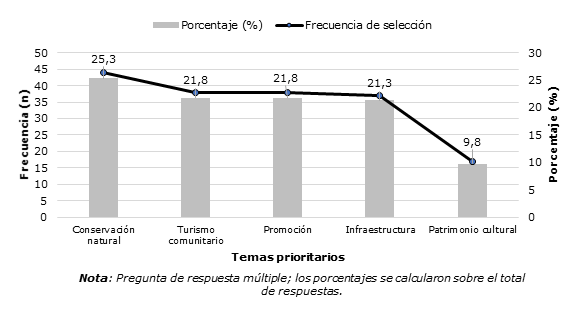
Figure 1. Priority issues for the actors in the tourism cluster
Source: Own elaboration
Regarding experience in the sector, there is a significant presence of actors with
established track records, particularly those with 11 to 20 years of experience (13.8%) and those with 6
to 10 years (11.2%), suggesting relevant accumulated knowledge for analyzing the local
tourism system. The results also showed a heterogeneous structure within the tourism
sector, dominated by accommodation establishments (22.5%) and food and beverage
establishments (20.0%), followed by unspecified independent or private actors (16.2%), tour
operators (15.0%), and public or academic entities (13.8%).
Regarding the positions held, there is a high participation of actors in categories such
as: administrators (17.5%), tour guides (23.8%), owners (10.0%), and managers (5.0%), as
well as public sector officials and technicians (6.2%). Furthermore, the size of the
organizations was characterized by their small scale, with most respondents coordinating between 1 and
5 employees, predominantly in the ranges of 3 to 5 people (40.0%) and 1 to 2 people
(35.0%), confirming the prevalence of micro and small businesses/enterprises linked to
tourism operations in the provincial cluster.
Nature conservation is positioned as the top priority (25.3%). Furthermore, a convergence
is observed between community-based tourism, promotion, and infrastructure, with
similar percentages (around 21% each). In contrast, cultural heritage has a lower relative
priority (9.8%). The case analyzed demonstrates a strong orientation toward nature conservation
and community-based tourism, confirming that natural and social capital is central to
the destination's configuration. This priority should guide governance and
inter-stakeholder coordination decisions toward actions that integrate conservation, community
participation, territorial promotion, and tourism infrastructure under sustainability criteria.
However, a lower declared prioritization of the cultural component was observed,
which suggests an opportunity to diversify the offer, but requires verification through
specific indicators of cultural integration; this opportunity is relevant because the integration
between culture and tourism can expand the added value of the tourism chain, as proposed by Zeng
et al. (2023).
Coordination, trust and connection mechanisms between tourism micro-clusters
The findings showed moderate and differentiated interaction depending on the
relationship group. These values primarily reflect operational interaction, associated with daily
contact, information exchange, and basic coordination among actors, rather than a
consolidated institutional or strategic coordination. The highest level of interaction was recorded
with tourism companies (mean = 2.84), followed by public officials (mean = 2.66) and
tour operators (mean = 2.61), while associations or chambers of commerce presented the
lowest level of interaction (mean = 2.28). In terms of distribution, high interaction (values 4 and
5) reached 33.8% in the case of tourism companies, but decreased to 23.8% among
public officials and tour operators, and to just 16.3% among associations or chambers of
commerce. The levels of trust and the predominance of functional interactions, which fell
within intermediate ranges according to the respondents, demonstrated that intracluster
coordination links were mainly sustained through operational and informal dynamics. However, unlike
what is expected in mature clusters, these relationships fail to evolve into schemes of
sustained cooperation, which demonstrates a limited institutionalization of the links in the
production chain.
From the perspective of the value chain proposed by Epede and Wang (2022), the
findings suggest integration conditions that are still limited, because the existing connectivity
between actors does not reach sufficient levels of coordination to maximize territorial value.
The significant influence of informal digital tools as the primary facilitator of connection
also suggests that, while actors have adopted pragmatic solutions for communication, these do
not replace the need for formal governance structures. Furthermore, the lack of training
and capacity-building processes confirms the findings of Espín Ortiz and Rodríguez
Rodríguez. (2021), regarding the need to develop more robust business skills and management
systems to improve the competitiveness of the production chain.
Regarding the mechanisms used by stakeholders to connect with others within the
tourism sector, the findings revealed that social media and WhatsApp are the primary means
of interconnection, with 61 stakeholders, representing 76.3% of the sample, indicating their
use of these platforms as their main mechanism. Events (such as trade fairs, workshops,
and meetings), mentioned by 29 participants (36.3%), rank second, followed by formal
meetings, with 28 mentions (35.0%). Joint projects, reported by 17 participants (21.3%), and
emails, with 11 mentions (13.8%), appear less frequently. This situation is reinforced by the low
level of interaction with associations and chambers of commerce, key players in
sectoral coordination.
The results also suggest that interactions are primarily concentrated in direct
operational relationships between companies, while collective or trade association ties are less
intense. The low level of interaction with associations and chambers of commerce can be interpreted
as an indication of limited organizational cohesion and weak institutionalization of
sectoral representation. This situation is critical because these actors play a key role in
formal governance, facilitating collective coordination, representing common interests, and
building agreements to consolidate more stable tourism value chains. A scenario of intermediate
to moderately high trust was identified, as the highest concentration of responses was at levels
3 and 4 of the scale, with 24 cases at each level, while only 9 participants rated trust as
very high and 11 as very low.
Barriers, facilitators and formal governance challenges for strengthening
tourism chains
The analysis of barriers to improved connectivity revealed that lack of time is the
most recurring problem, followed by access to information, geographical distance between
entities or cantons (municipalities), and bureaucracy. However, it was also possible to identify
more complex underlying barriers such as a lack of strategic planning, limited commitment
from some stakeholders, weak institutional support, political rivalries, vested interests, and
past experiences that have eroded trust. In dispersed Amazonian territories, these findings
have direct operational implications: it is necessary to strengthen digital coordination, define
a minimum inter-cantonal work agenda, and ensure institutional facilitation that
reduces participation costs, streamlines information flows, and monitors agreements among
tourism stakeholders.
These results coincide with Bichler and Lösch's (2019) approach, who argue that
collaborative governance in tourist destinations depends not only on the existence of actors willing
to interact, but also on the presence of leadership, trust, shared understanding, and
institutional arrangements capable of sustaining
coordination (Figure 2). From this perspective, the
barriers identified in Pastaza are not isolated difficulties, but rather cumulative constraints that
reduce the effectiveness of formal governance. Lack of time limits sustained participation;
insufficient access to information weakens decision-making; territorial dispersion increases
coordination costs; and bureaucracy slows down the institutional response.
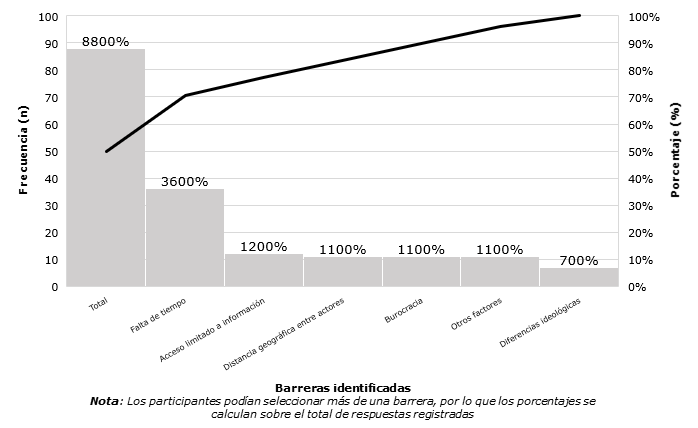
Figure 2. Barriers identified by the actors of the tourism cluster
Source: Own elaboration
Taken together, these factors explain why the existing interactions between tourism actors
fail to fully transform into stable mechanisms of inter-cantonal coordination aimed
at strengthening future tourism production chains.
Another aspect explored was the opinion expressed regarding the facilitators that have
enabled better promotion of the province's tourism sector. Digital platforms were highlighted as
the most important, followed by tourism fairs and, to a lesser extent, training workshops. Fairs,
for their part, continue to be valued as spaces for direct contact, positioning, and exchange
among stakeholders, while workshops play a role more closely linked to capacity building than to
mass promotion.
Despite these results, a favorable disposition toward strengthening the tourism
system's coordination was evident, both in operational interaction spaces and in more
structured coordination frameworks. Regarding participation in meetings, most responses suggest
a significant openness to engaging in dialogue and coordination, although certain
limitations persist, related to factors such as time availability or operational workloads. Similarly,
the willingness to integrate into a network connecting tourism stakeholders and cantonal
micro-clusters shows a similarly positive trend, even leaning slightly toward higher levels
of commitment. This indicates a growing recognition of the need for coordinated work
among different actors within the tourism system.
On the other hand, the identified barriers, primarily those related to lack of time,
bureaucracy, and geographical dispersion, reflect not only operational constraints but also structural
aspects of the territory under study. According to Vásquez et al.
(2025), the structural factors that influence the success of production chains include the impact of infrastructure,
connectivity, and basic services. Finally, the stakeholders expressed numerous concerns,
recommendations, and proposed ideas for improvement, which were processed through thematic categorization
of the open-ended responses. To this end, recurring expressions were grouped according to
their semantic content and their relationship to problems of communication,
coordination, organization, and collaboration/commitment. This procedure allowed the participants'
concerns to be synthesized into four main challenges:
- First challenge: strengthening communication, especially by using more agile and
permanent channels such as WhatsApp, collaboration applications, online communication and
contact groups.
- Second challenge: it focuses on the creation of formal coordination networks, where
the need to structure a tourist network or a stable space for coordination between actors
is explicitly raised.
- Third challenge: It focuses specifically on organizing events, meetings, and
regular gatherings as mechanisms to maintain contact, share information, and build
stronger relationships.
- Fourth challenge: It is linked to collaborative work and the building of shared
commitment, expressed in ideas such as teamwork, generating alliances and promoting
greater coordination between sectors/activities.
These challenges are represented in Figure 3, as a quantitative systematization of the
percentages of stakeholders who indicated and reiterated these challenges as the main ones. The figure
shows a high degree of convergence among public, private, and community stakeholders regarding
the priority challenges for strengthening tourism integration in Pastaza. Communication,
organization, and collaboration/commitment reached very high values in all three groups, revealing
that stakeholders perceive the problem not only as a lack of contact, but also as an insufficiency
of stable mechanisms for coordinating collective actions. In particular, community
stakeholders showed the highest rating in all dimensions, while public stakeholders showed the lowest
relative value in integration and private stakeholders in organization.

Figure 3. Challenges identified by cluster stakeholders
Source: Own elaboration
This distribution suggests that formal governance must address gaps differentiated by
actor type: greater capacity for institutional coordination in the public sector, greater
organizational structuring in the private sector, and effective integration mechanisms to sustain
community participation. These results can be interpreted in accordance with Bassi et al.
(2026), who argue that territorial governance of sustainable tourism requires actor-based
organizational models capable of reducing institutional fragmentation and structuring cooperation
in territories with differentiated dynamics. In the case of Pastaza, the high valuation
of communication, coordination, organization, and commitment confirms the existence of
a favorable relational foundation; however, it also demonstrates that this foundation does
not automatically translate into effective coordination.
Therefore, the challenge lies not only in promoting meetings or digital channels, but also
in structuring formal inter-cantonal governance mechanisms that define
responsibilities, interaction frequency, common objectives, and agreement follow-up. These mechanisms
could include an inter-cantonal tourism coordination committee, a minimum agenda for
regular work, verifiable minutes of agreements, and a technical committee responsible for
monitoring commitments. From this perspective, cantonal tourism micro-clusters require a
coordination framework that allows the actors' stated willingness to engage in sustained processes
of collaboration aimed at strengthening future tourism value chains. Overall, the results
show that the Pastaza tourism system operates under an incipient coordination logic, consistent
with a territorial network of interdependent actors whose competitiveness depends on the quality
of their interactions, which aligns with Ukhina et al. (2022).
Considering the above, one of the most relevant contributions of the study lies
in demonstrating that, despite existing structural and relational limitations, the actors in
the value chain showed a strong willingness to strengthen coordination through
inter-cantonal tourism networks and formal spaces for shared management. This finding suggests
the existence of latent relational capital focused on satisfying the need to balance
economic development, cultural identity, and sustainability, all of which coincides with the findings
of Álvarez Cortez et al. (2024, 2025). Thus, the central limitation was not the lack of
contact between actors, but rather the low effectiveness of formal governance in
transforming dispersed interactions into sustained coordination processes aimed at strengthening
tourism value chains.
The results confirmed that the Pastaza tourism system exhibits active, although
predominantly informal, collaboration among stakeholders linked to the micro-clusters of the cantons of
Mera, Pastaza, Santa Clara, and Arajuno. Existing interactions demonstrate a willingness
to cooperate, frequent use of digital channels, and recognition of the need for
coordination; however, they have not yet established sufficiently stable formal governance mechanisms
to sustain systematic processes of territorial integration.
The main barriers identified were lack of time, limited access to information, bureaucracy,
and geographical dispersion. These constraints should not be interpreted solely as
operational difficulties, but rather as manifestations of ineffective formal governance in
organizing communication, institutionalizing coordination mechanisms, and reducing
fragmentation among tourism stakeholders and cantonal micro-clusters.
The focus on nature conservation and community-based tourism is a strength of
the Amazonian destination. At the same time, the lower priority given to cultural heritage
presents a strategic opportunity to diversify the tourism offerings, integrate new territorial content,
and expand the possibilities for value creation within the provincial tourism system. In
practical terms, this strength can be translated into integrated tourism products through nature
trails, community-based experiences, cultural services, local gastronomy, and partnerships
with tourism businesses, thereby fostering sustainable local supply chains and a
broader distribution of the value generated.
The main challenge lies not in creating more isolated contacts between actors, but
in improving the effectiveness of formal governance through coordination networks,
regular meetings, inter-institutional communication mechanisms, and supporting digital tools. In
this sense, existing relational capital can become a strategic resource for strengthening
tourism value chains, provided it is managed through more stable, participatory coordination
structures oriented toward common goals.
REFERENCES
Álvarez Cortez, L. E., Cruz Pérez, Y., Cevallos Punguil, T. C., & Álvarez Villamarín, M. A.
(2025). Desarrollo del turismo comunitario: Propuesta de una metodología en Pastaza,
Ecuador. Estudios del Desarrollo Social: Cuba y América Latina, 13(3), 102-118.
https://revistas.uh.cu/revflacso/article/view/11589
Álvarez Cortez, L. E., Cruz Pérez, Y., Del Corral Villaroel, V. H., & Cevallos Punguil, T. C.
(2024). Factores críticos, buenas prácticas y lecciones aprendidas del turismo
comunitario. Cooperativismo y Desarrollo, 12(3), e764.
https://coodes.upr.edu.cu/index.php/coodes/article/view/764
Bassi, I., Deotto, V., & Iseppi, L. (2026). Territorial Governance for Sustainable Tourism in
the Alpine Mountains: A Stakeholder-Based Organizational Model from Northeast Italy. Land, 15(3), 509. https://doi.org/10.3390/land15030509
Bichler, B. F., & Lösch, M. (2019). Collaborative Governance in Tourism: Empirical Insights
into a Community-Oriented Destination. Sustainability, 11(23), 6673.
https://doi.org/10.3390/su11236673
Epede, M. B., & Wang, D. (2022). Global value chain linkages: An integrative review of
the opportunities and challenges for SMEs in developing countries. International Business Review, 31(5), 101993. https://doi.org/10.1016/j.ibusrev.2022.101993
Espín Ortiz, C. G., & Rodríguez Rodríguez, J. L. (2021). Estimación de la sostenibilidad
del turismo en la provincia Pastaza, Ecuador. Universidad y
Sociedad, 13(5), 515-525. https://rus.ucf.edu.cu/index.php/rus/article/view/2262
Font, X., Tapper, R., Schwartz, K., & Kornilaki, M. (2008). Sustainable supply
chain management in tourism. Business Strategy and the
Environment, 17(4), 260-271. https://doi.org/10.1002/bse.527
Franco, M., Esteves, L., & Rodrigues, M. (2024). Clusters as a Mechanism of
Sharing Knowledge and Innovation: Case Study from a Network Approach. Global Business Review, 25(2), 377-400. https://doi.org/10.1177/0972150920957270
Garrett, R., Ferreira, J., Abramovay, R., Brandão, J., Brondizio, E., Euler, A., Pinedo, D.,
Porro, R., Cabrera Rocha, E., Sampaio, O., Schmink, M., Torres, B., & Varese, M.
(2024). Transformative changes are needed to support socio-bioeconomies for people and
ecosystems in the Amazon. Nature Ecology &
Evolution, 8(10), 1815-1825.
https://doi.org/10.1038/s41559-024-02467-9
Gómez Vega, M., Herrero Prieto, L. C., & Valdivia López, M. (2022). Clustering and
country destination performance at a global scale: Determining factors of tourism
competitiveness. Tourism Economics,
28(6), 1605-1625. https://doi.org/10.1177/13548166211007598
Jeyacheya, J., & Hampton, M. P. (2020). Wishful thinking or wise policy? Theorising
tourism-led inclusive growth: Supply chains and host communities. World Development, 131, 104960. https://doi.org/10.1016/j.worlddev.2020.104960
Jin, J., Hou, J., Chen, S., & Chu, B. (2026). Spatiotemporal Synergy and
Dual-Dimensional Correlation of Xinjiang's Tourism Industry Clusters. Sustainability, 18(2), 705.
https://doi.org/10.3390/su18020705
Kano, L., Tsang, E. W. K., & Yeung, H. W. (2020). Global value chains: A review of the
multi-disciplinary literature. Journal of International Business
Studies, 51(4), 577-622. https://doi.org/10.1057/s41267-020-00304-2
Kim, Y. R., Williams, A. M., Park, S., & Chen, J. L. (2021). Spatial spillovers of
agglomeration economies and productivity in the tourism industry: The case of the UK. Tourism Management, 82, 104201. https://doi.org/10.1016/j.tourman.2020.104201
Santafe Troncoso, V., & Tanguila Andy, A. (2024). Indigenous women's approaches to
tourism planning: Lessons from Ecuador. Journal of Sustainable
Tourism, 32(3), 579-597. https://doi.org/10.1080/09669582.2023.2247580
Sili, M., Haag, M. I., & Nieto, M. B. (2022). Constructing the Transitions and Co-Existence
of Rural Development Models. Sustainability,
14(8), 4625. https://doi.org/10.3390/su14084625
Ukhina, T., Shafazhinskaya, N., Panikarova, N., Kovaleva, A., & Ryakhovsky, D. (2022).
Tourism clustering as a factor of regional economic growth: Structural features of a regional
cluster. Anais Brasileiros de Estudos
Turísticos, 12(Special Issue).
https://doi.org/10.5281/zenodo.7278572
Vasquez, J., Ochoa, F., & Carhuas, Y. (2025). El turismo como motor del desarrollo
económico en la Amazonía. Una revisión de literatura. Espacios, 46(04), 69-82.
https://doi.org/10.48082/espacios-a25v46n04p07
Zeng, M., Shen, S., & Gu, J. (2023). How does the integration of cultural and
tourism industries impact the value added to tourism value chain: Evidences from Jiangsu Province
of China. PLOS ONE, 18(6), e0287610. https://doi.org/10.1371/journal.pone.0287610
Conflict of interest
Authors declare that they have no conflicts of interest.
Authors' contribution
Yolanda Lorena Paredes Andrade and Yudemir Cruz Pérez designed the study, analyzed the data, and prepared the draft.
Carlos Aníbal Manosalvas Vaca and Andrea Patricia Sanaguano Moreno were involved in data collection, analysis, and interpretation.
All the authors reviewed the writing of the manuscript and approve the version finally submitted.

This work is licensed under a Creative Commons Attribution-NonCommercial 4.0 International License